Menopause & Healthy Aging
Module 5 of Our Women’s Health Series
Evidence-Based Clinical Training Across the Full Menopausal Transition — from Perimenopause Through Older Adulthood
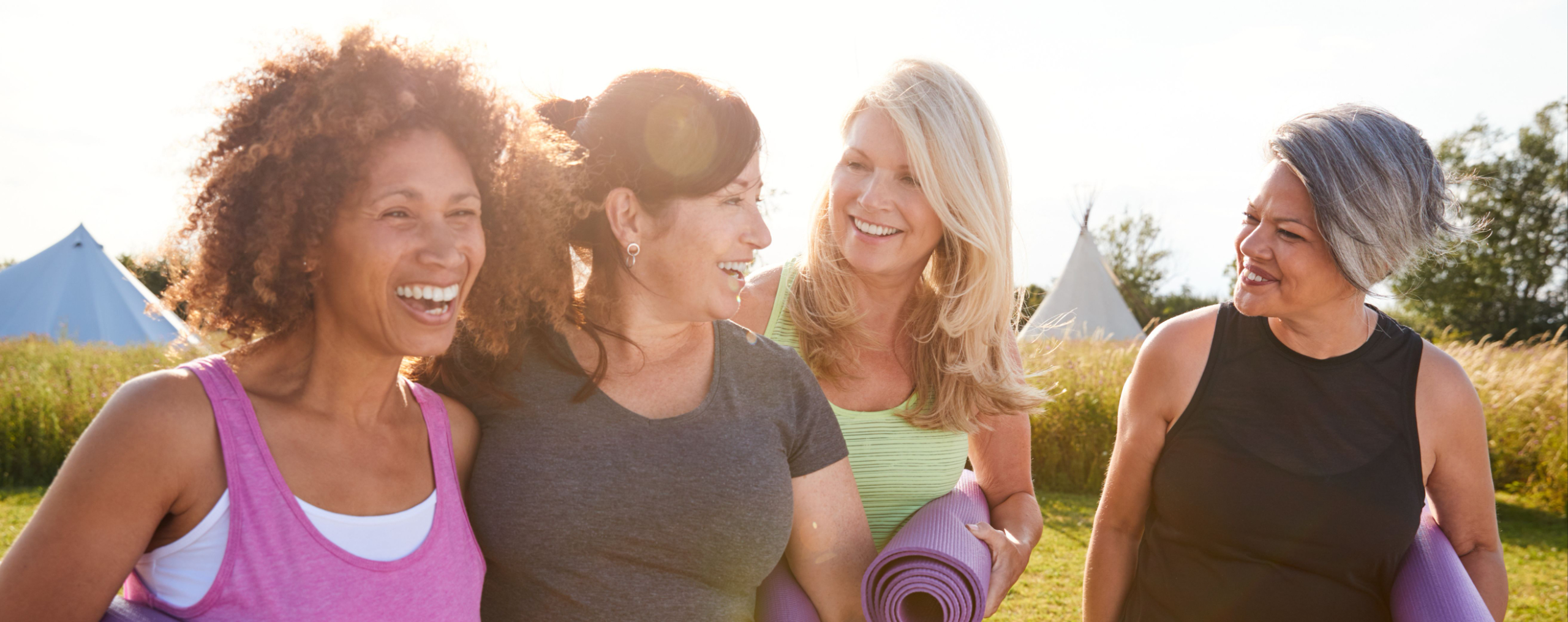
Perimenopause can begin in the mid-thirties. Menopause unfolds over years. And the decade that follows brings cascading changes — to bone density, cardiovascular health, metabolism, joints, sleep, mood, and cognition.
Yet most allied health training treats menopause as an endpoint rather than a clinical landscape. Your patients arrive with frozen shoulders, joint pain, fatigue, brain fog, and anxiety — and the underlying hormonal picture often goes unaddressed.
This menopause and healthy aging course gives you the clinical training to support your patients before, during, and throughout the transition that reshapes everything.
Register Now Dates & Location
May 14th & 15th, 2027
2000 Argentia Road, Plaza 5, Unit 406, Mississauga, ON L5N 1V8
*Includes Recorded Virtual Theory*

Read the Whole Picture
See beyond the presenting complaint. Perimenopause and menopause touch every system — joints, bone, cardiovascular, metabolic, cognitive. Build the clinical framework to recognize how hormonal shifts are shaping what shows up on your table and learn the latest evidence, guidelines, and risks for menopause hormone therapy.
Adapt Your Approach
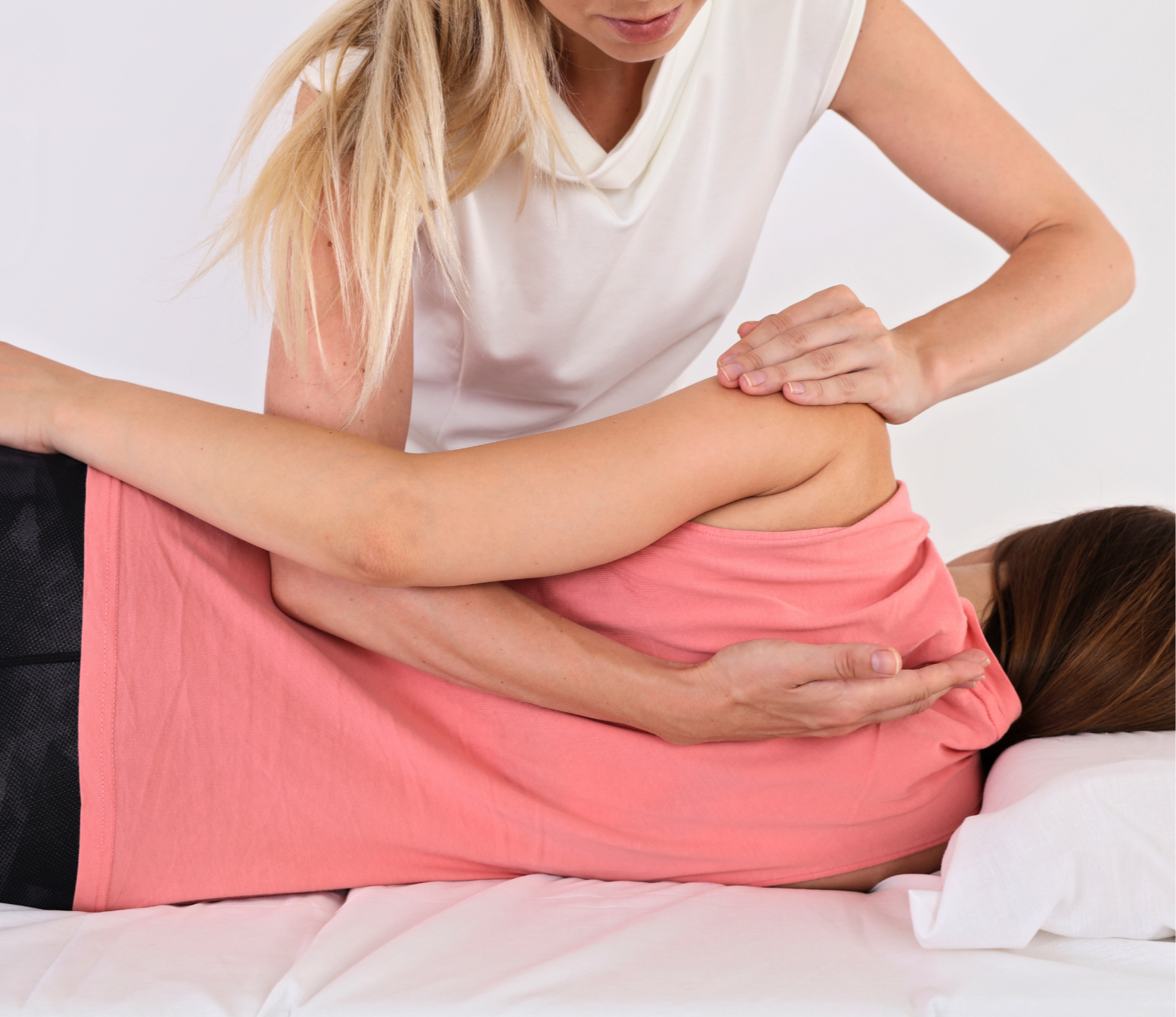
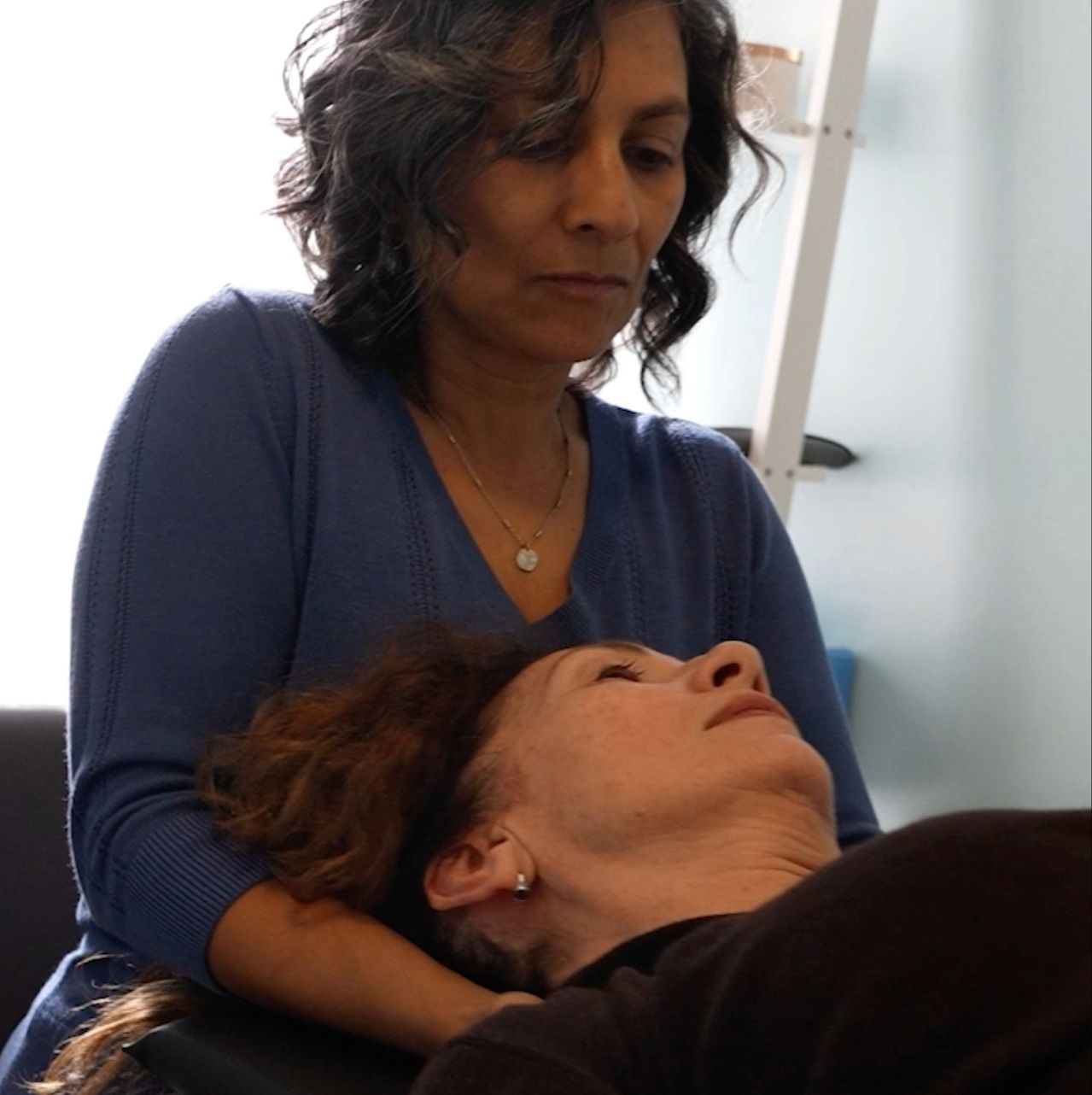
Apply techniques that account for where your patient is hormonally. Osteopathic and manual therapy techniques adapted to the menopausal body — including frozen shoulder, joint hypermobility changes, and connective tissue considerations — so your hands-on care keeps pace with what's happening systemically from dysregulation, to adrenal fatigue, to sleep disturbance.
Extend Your Reach
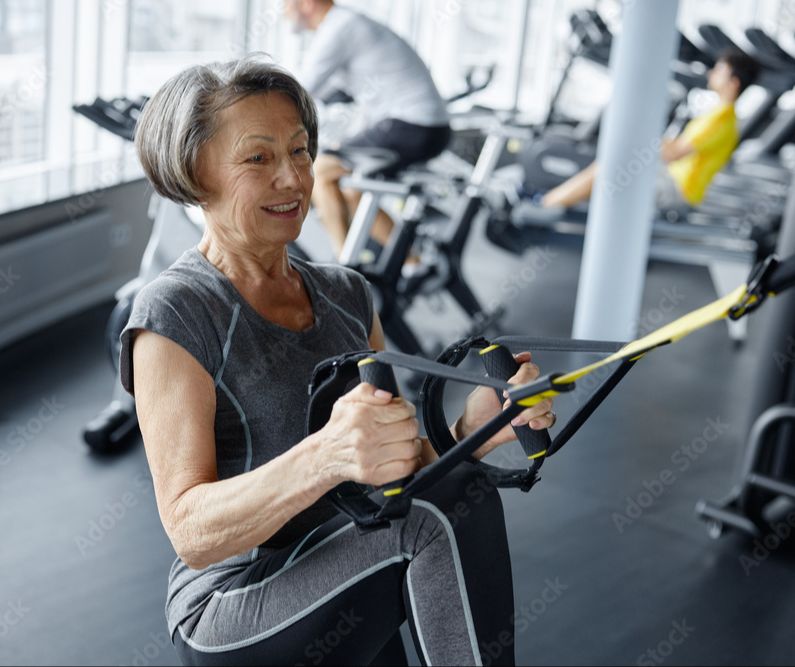
Support your patients through the decades that follow. Practical strategies across bone health, cardiovascular wellness, sleep, and cognition — so you're equipped to contribute meaningfully to your patients' healthy aging, not just their immediate symptoms. Guidelines for exercise and outcome targets for longterm functional mobility and injury prevention.
Access 5, Pay for 4
Buy the BundleRegister for all five Women's Health modules for only $2,900 (a $725 savings!) Payment plans available
The Certification Difference
Demonstrated Competency
Assessment-based, not attendance-based.
The credential means you've demonstrated competency — not just sat through the hours. You'll complete a high standard certification criteria. That distinction matters to your patients, your colleagues, and the public you serve.
Integrative Care Model
A collaborative scope across the female lifespan.
Five connected modules — puberty, fertility, perinatal, pelvic health, menopause — so you see how patterns in one life stage shape the next and how health disciplines intersect to provide the best possible care.
Professional Credibility
Built by clinicians, for clinicians.
Evidence-informed content delivered by practitioners who work with these patients every week — and who respect your unique expertise. You'll become a part of a network and community that promotes excellence in practice.
Who This Is For:
Physiotherapists · Chiropractors · Osteopathic Practitioners · Registered Massage Therapists · Athletic Therapists · Naturopathic Doctors · Pelvic Health Specialists · Occupational Therapists · Nurses
Any other manual therapy or health practitioner working in reproductive health, fertility, pregnancy and perinatal care.
It's the right fit if you:
- Want to specialize in or expand your menopausal-related practice
- Are already seeing peri/menopausal patients and want deeper clinical grounding
- Are ready to work confidently alongside other specialists, and allied health providers
- Believe that the best patient outcomes happen when disciplines work together — not in silos
- Believe the best outcomes happen when disciplines work together, and want to be a stronger part of your patients' circle of care

You'll build a clear clinical picture of what's happening hormonally and systemically:
- The sequence of hormonal decline and its effects on other endocrine axes and organ systems
- Metabolic consequences: weight changes, insulin resistance, fatigue
- Bone density, cardiovascular risk, and autoimmune considerations
- Musculoskeletal presentations including frozen shoulder and joint pain
- Mental health: anxiety, depression, and cognitive changes
- Normal age-related changes by system
- Ethics in aging, ageism awareness, determinants of healthy aging
You'll move from understanding to application:
- Patient-centred assessment adapted to menopausal presentations
- Outcome measures and exercise adaptations appropriate for older women
- Prevention and lifestyle recommendations: sleep, stress, nutrition, movement
- Case-based reasoning across four realistic patient scenarios spanning ages 35 to 65+
- Hands-on workshop: manual therapy approaches adapted to common menopause-related conditions
- Multidisciplinary collaboration and communication across care teams
Meet Your Instructors
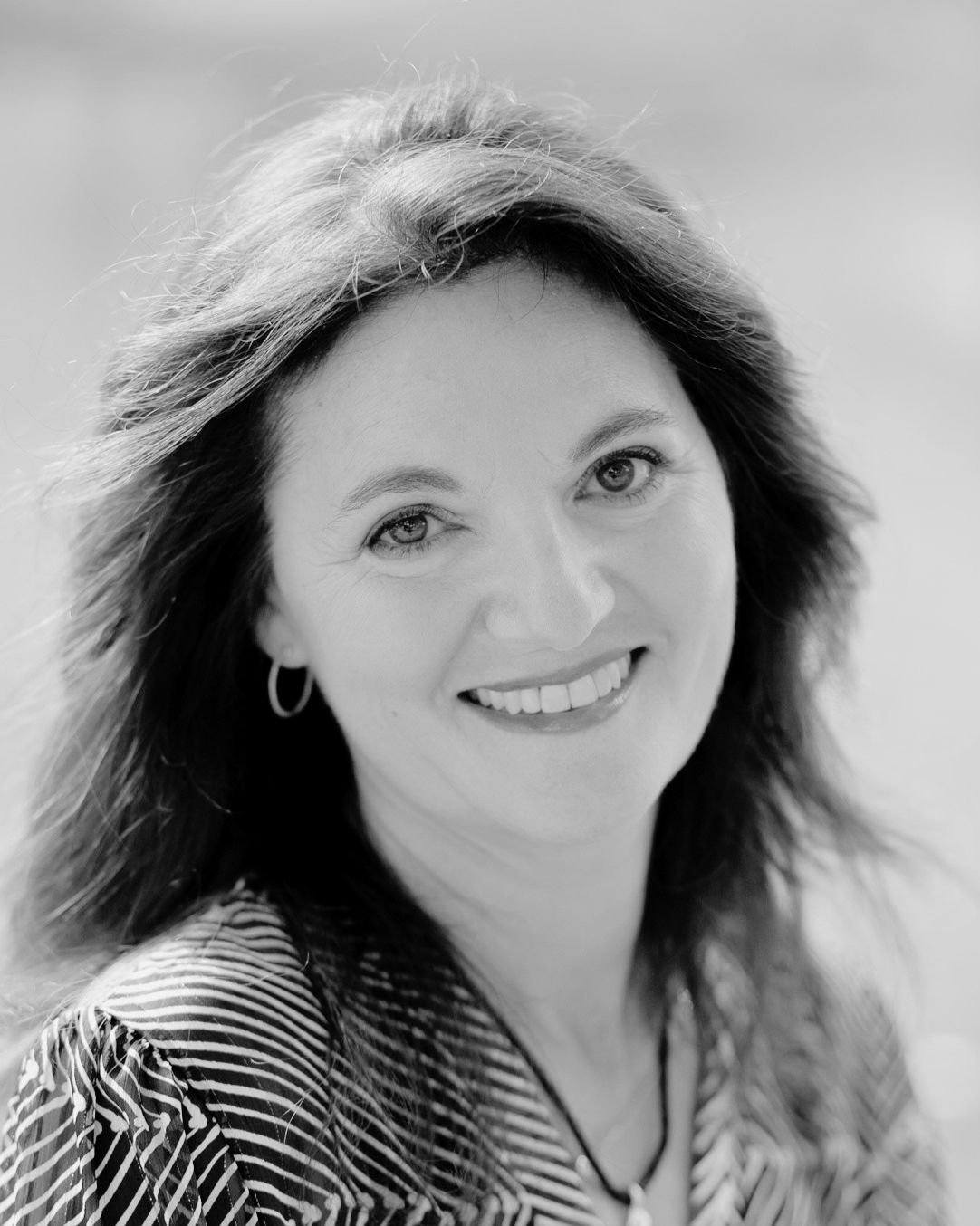
Valérie Namer, MD (France, DO(MP)
Valérie Namer brings a rare combination of medical and osteopathic expertise to women's health education. She holds a medical degree with a specialty in endocrinology from France and is a graduate of the Centre Ostéopathique du Québec, where she now directs the post-graduate program.
In her Montreal clinical practice, Valérie works exclusively in women's health — from puberty and hormonal health through fertility, obstetrics, and postnatal care. She has been teaching and lecturing on osteopathy and women's health across Canada and internationally for many years, including in the Complementary and Alternative Medicine in Clinical Practice course at McGill University.
Valérie currently supervises Master's dissertations at the School of Health Sciences Fribourg, University of Applied Sciences Western Switzerland (HES-SO), and has been a member of the Science and Health Committee at Séréna Québec since 2023. She is a registered member of Ostéopathy Québec.
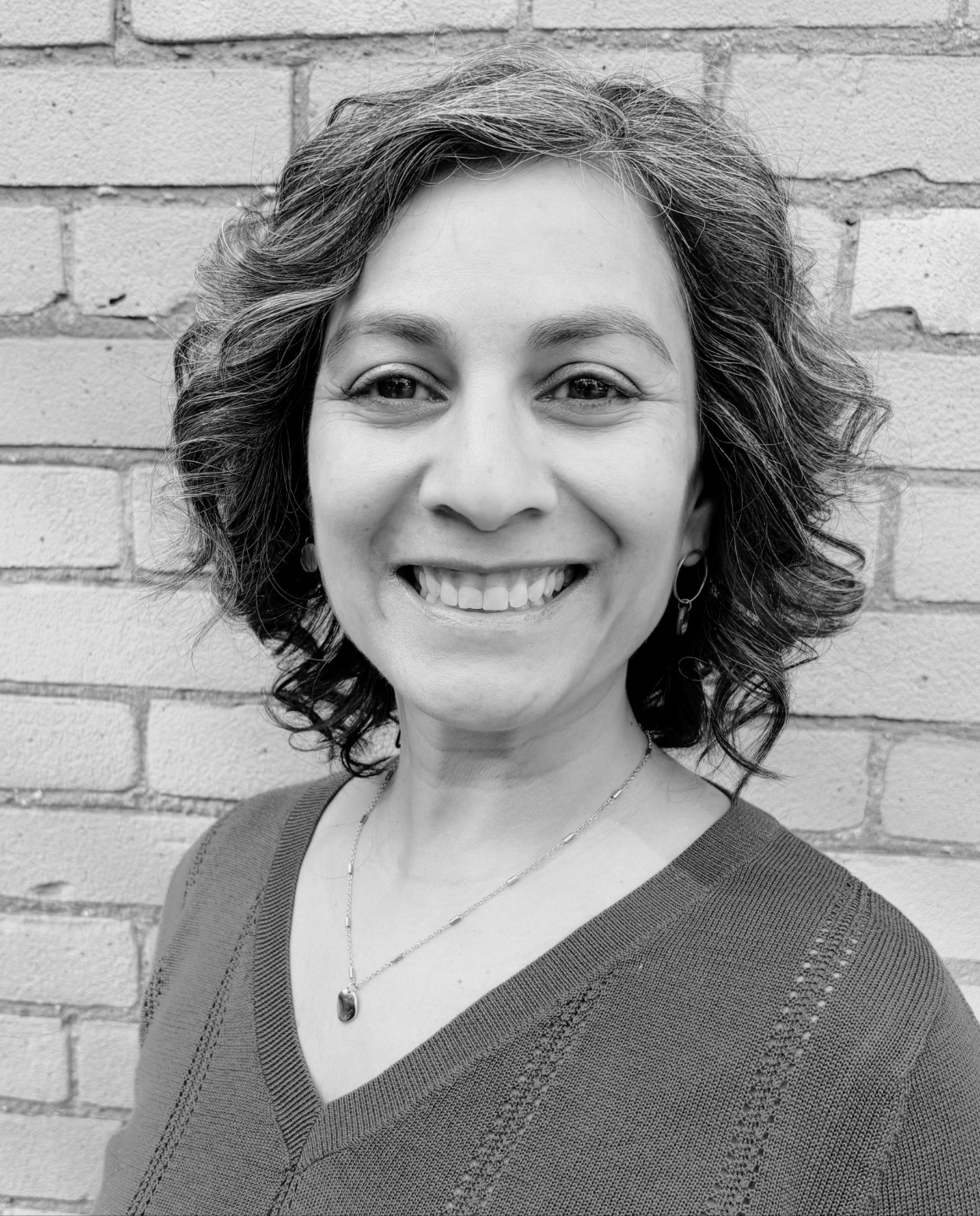
Sharmila Kulkarni, PT, DO(MP), MSc Aging & Health
Sharmila Kulkarni is a physiotherapist and osteopathic manual practitioner with over 25 years of clinical experience. She holds a Bachelor of Health Science in Physiotherapy from McMaster University's renowned School of Rehabilitation Science, and a Master of Osteopathic Manipulative Science from the Canadian Academy of Osteopathy & Holistic Health Sciences. Her Master's in Aging and Health further deepened her understanding of how bodies change across the lifespan.
Sharmila's practice has always centred on the full arc of women's health — and on the gaps in practitioner training that leave patients underserved at every stage of it. That clinical frustration became a professional mission. As co-founder and director of Integration Health + Education, Sharmila has built a continuing education community grounded in multidisciplinary collaboration, rigorous curriculum, and the conviction that better-trained practitioners produce better patient outcomes.
She brings that same standard to the Women's Health Certification — co-teaching and shaping a program designed not just to add knowledge, but to build genuine clinical competency in women's health across the lifespan.
Women's Health Series/Certification
at Integration Health + Education
The series is comprised of five modules which can be taken individually or as part of the full
Women's Health Certification.